
What does the November 5 budget mean for Canadian drivers? Ottawa will table its 2026 budget on November 5. No car measures are known yet. Here is what we do know. Bill C-38, now in the Senate, would keep the federal fuel tax break to January 31, 2027. Businesses may also get to write off vehicles right away.
Key takeaways
- The federal budget comes out on November 5, 2026. Finance Minister François-Philippe Champagne set the date on October 20.
- The federal excise tax on gas has been off since April 20, 2026. That is 10 cents a litre on gas and 4 cents on diesel.
- Bill C-38 would keep that tax off until January 31, 2027. It passed the House of Commons on October 20 and is now in the Senate.
- From February 1 to March 31, 2027, the tax would come back at half rate. The full rate would return on April 1, 2027.
- A new business tax break called the Productivity Mega Deduction would let firms write off vehicles in year one. It is still draft law.
- No budget measures for car buyers are known yet. That includes EV rebates, the luxury tax and tariffs.
Why tax reform is in the news
On October 20, Mr. Champagne stood up in Question Period and named the budget date. It will be November 5. That is two days after the U.S. midterm elections.
The same day, the Parliamentary Budget Officer said deficits are now about $3 billion a year deeper than her office thought in June.
Business groups want big changes. A KPMG survey released October 15 found nearly nine in 10 business leaders want a full review of the tax system. The head of National Bank has said the tax code should be scrapped and rewritten.
So people are asking what will change. For drivers, two things are already on paper. The rest is a guess until budget day.
The fuel tax break: dates you can count on
Ottawa charges its own excise tax on fuel. It is separate from GST and from provincial gas taxes. The full rate is 10 cents a litre on gas and 4 cents on diesel.
On April 20, 2026, the federal government stopped charging it. Finance Canada says gas prices fell 11 cents a litre on the first day.
Bill C-38, the Canadian Fuel Affordability Act, would stretch that break out. Here is the timeline Finance Canada has published:
| Period | Gas | Diesel |
|---|---|---|
| April 20, 2026 to January 31, 2027 | 0 cents | 0 cents |
| February 1 to March 31, 2027 | 5 cents | 2 cents |
| From April 1, 2027 | 10 cents | 4 cents |
Finance Canada puts the cost of the extension at about $2.9 billion. That makes about $5.3 billion in total fuel tax relief for 2026 to 2027.
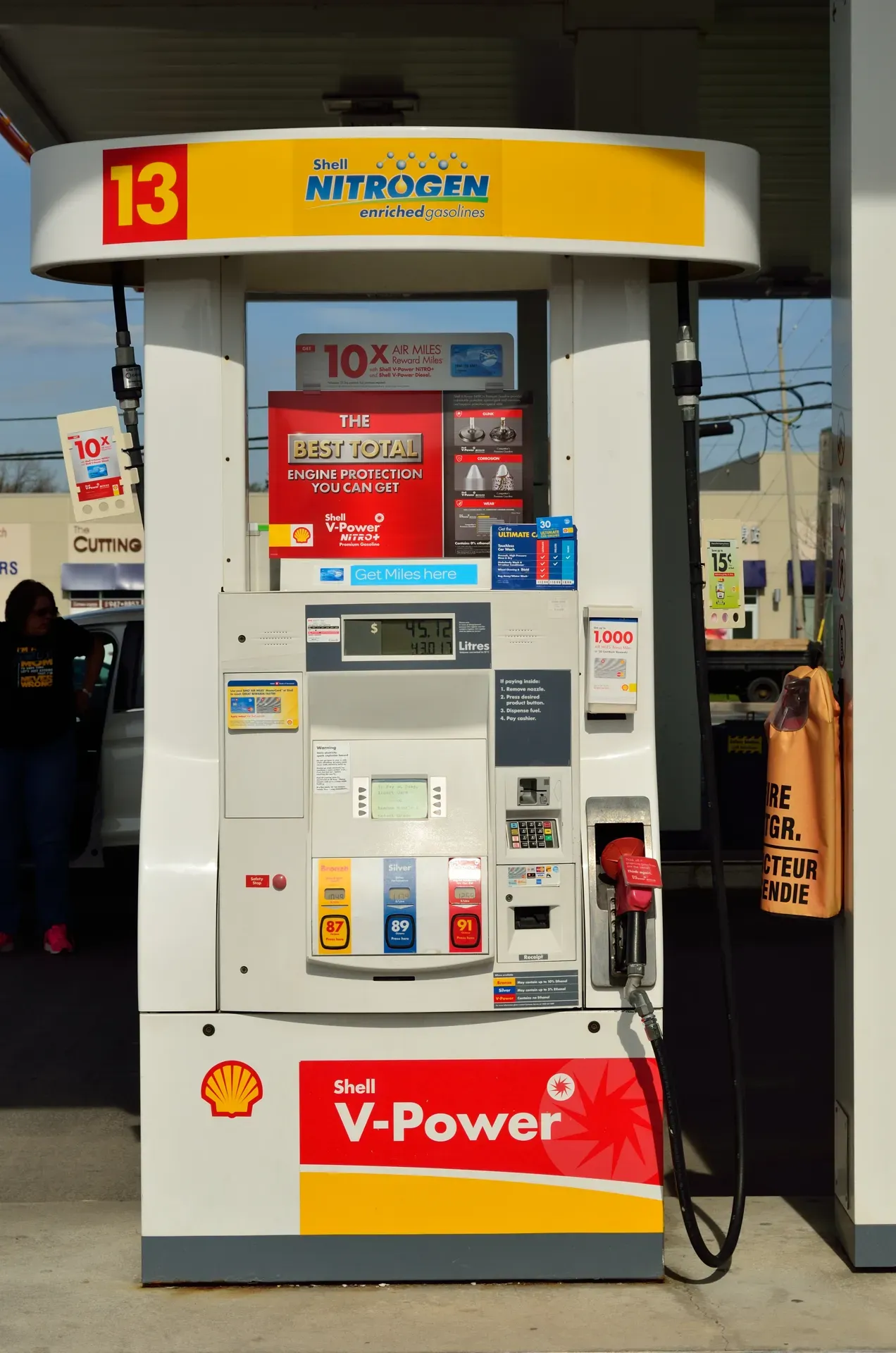
Photo: Raysonho, CC0, via Wikimedia Commons. File photo of a fuel pump, shown for context.
Where Bill C-38 stands today
I checked the Parliament of Canada bill tracker, LEGISinfo, on October 23. Here is what it shows:
- First reading in the House on September 21, 2026.
- The finance committee sent it back with no changes on October 6.
- Third reading passed in the House on October 20.
- First reading in the Senate on October 21.
LEGISinfo lists the bill as "at second reading in the Senate." It is not law yet. The bill says the extension counts from September 8, 2026, so there was no gap at the pump.
What it means for you is simple. If you fill a 60 litre tank, the federal break is worth about $6 a fill on gas. That is 60 litres times 10 cents. Your real price still moves with oil prices and provincial taxes. To see how fuel use turns into dollars, read our guide on what gas costs per 100 km.
Business vehicles: the Productivity Mega Deduction
On October 1, Finance Canada announced the Productivity Mega Deduction. It lets a business deduct the full cost of many new assets in the first year. Before, most assets had to be written off over many years.
Finance Canada says the share of assets that qualify would jump from about 15% to more than 65%. Its list includes "aircraft and vehicles." The break would also become permanent. It covers assets bought from September 15, 2026.
Who gains? Think of a plumber buying a new van, a farm buying a pickup or a fleet adding trucks. They could deduct the cost faster and keep more cash in year one.
Who does not? A family buying a car for personal use. This is a business tax rule. It does not lower the price on the sticker.
It is still a proposal. Finance has released it, but Parliament has not passed it. Talk to your accountant before you time a purchase around it.
What we don't know until November 5
After more than 10 years covering car prices in Canada, I've learned one thing. Budget rumours are cheap and budget documents are what count.
Right now there is no official word on any of these:
- A new federal EV rebate or changes to EV programs.
- Changes to the luxury tax on cars over $100,000.
- GST changes on new or used vehicles.
- Tariff relief or new support for automakers.
- Any change to the fuel tax dates above.
We will update this story on budget day with what is actually in the plan. For now, see our EV rebates by province and our full EV guide for programs that exist today. Our story on the Canada and Ontario auto plan covers the latest support for the industry.
How to save on fuel now
You can't control the budget, but you can control your fill ups. A few habits help:
- Check tire pressure once a month. Cold weather drops it fast.
- Drive smooth. Hard starts and stops burn more gas.
- Take the roof rack off when you are not using it.
Our fuel saving tips go into more detail. Quebec drivers can also check this week's gas prices. And if you are pricing a new car, know what a Canadian MSRP includes before you sign.
FAQ
When is the 2026 federal budget?
It comes out on November 5, 2026. Finance Minister François-Philippe Champagne set the date in the House of Commons on October 20.
Is the federal gas tax still off?
Yes. The federal excise tax on gas and diesel has been off since April 20, 2026. Bill C-38 would keep it off until January 31, 2027.
When does the federal gas tax come back?
Under Bill C-38, it would come back at half rate on February 1, 2027. That is 5 cents a litre on gas. The full 10 cents would return on April 1, 2027.
Is Bill C-38 law yet?
Not yet. It passed the House of Commons on October 20, 2026. As of October 23, LEGISinfo shows it at second reading in the Senate.
Will the budget bring back EV rebates or cut the luxury tax?
Nobody outside government knows yet. There has been no official word on EV rebates, the luxury tax, GST on cars or tariffs. We will report what the budget says on November 5.
Sources
- Parliament of Canada, LEGISinfo, Bill C-38 (45-1), checked October 23, 2026: https://www.parl.ca/legisinfo/en/bill/45-1/c-38
- Finance Canada, "Minister Champagne introduces legislation to extend the federal fuel excise tax relief for Canadians," September 2026: https://www.canada.ca/en/department-finance/news/2026/09/minister-champagne-introduces-legislation-to-extend-the-federal-fuel-excise-tax-relief-for-canadians.html
- Finance Canada, "The Government of Canada extends the federal fuel excise tax relief on gasoline, diesel, and aviation fuels for Canadians," September 2026: https://www.canada.ca/en/department-finance/news/2026/09/the-government-of-canada-extends-the-federal-fuel-excise-tax-relief-on-gasoline-diesel-and-aviation-fuels-for-canadians.html
- Finance Canada, "The Government of Canada introduces new Productivity Mega Deduction," October 1, 2026: https://www.canada.ca/en/department-finance/news/2026/10/the-government-of-canada-introduces-new-productivity-mega-deduction-to-help-businesses-invest-grow-and-create-jobs-in-canada.html
- The Globe and Mail, "Federal budget to be released on Nov. 5, Champagne says," October 20, 2026: https://www.theglobeandmail.com/politics/article-federal-budget-released-on-nov-5-champagne-october-20/
- The Hub, "Champagne sets Nov. 5 budget date as watchdog warns deficits are deepening," October 21, 2026: https://thehub.ca/2026/10/21/champagne-sets-nov-5-budget-date-as-watchdog-warns-deficits-are-deepening/
- The Globe and Mail, "Business leaders strongly support tax reform ahead of 2026 budget, KPMG survey finds," October 15, 2026: https://www.theglobeandmail.com/politics/article-business-leaders-support-tax-reform-2026-budget-kpmg-survey-finds/


